


TOOLBOX TALK
Addressing workplace microaggressions
This toolbox talk explains microaggressions—microassaults, microinsults, and microinvalidations—as small, often unintended comments that erode trust and safety on jobsites. Using Tonya's story of a dismissive gender-based remark, it teaches crews to recognize, interrupt, and address these moments respectfully, emphasizing that impact matters more than intent in building an inclusive workplace. This tool has been developed by the Oregon Institute of Occupational Health Science and is an adapted version of the BE4ALL Toolbox Talk ‘Building a Respectful Workplace’ by SMART and SMACNA (modified with permission).
What are microaggressions and why is it important to address them?
Microaggressions are “small” everyday slights that chip away at people. On a jobsite, these small comments or actions can spiral slowly into something big because they can make people feel like outsiders and reinforce harmful stereotypes, even if unintended. They are often rooted in prejudice, bias, or misinformation.
Microaggressions interrupt welcoming workplaces by making people feel uncomfortable, unsafe, or singled out. Overtime, harmful words and actions erode trust, morale, and communication—conditions that directly affect teamwork, decision making, jobsite safety, and employee retention.
What do they look like on the jobsite?
There are three types of microaggression:
Microassults
Microassaults are intentional, openly disrespectful comments or actions, often brushed off as humor or “just how the trades talk.” Example – while working side-by-side installing conduit, a male crew member says to a female crew member, loud enough for others to hear, “You want help with that or are you going to struggle all day?” When she gives him a look, he says, “Calm down, I’m just joking.”
Microinsults
Microinsults are often unintentional comments, but they send a message of disrespect or low expectations based on stereotypes. Example – asking a Latino or Asian crew member “where are you really from?” This reinforces the idea that a person does not belong based on their appearance. It is especially insulting when a person was born in the U.S.
Microinvalidations
Microinvalidations are comments that dismiss or undermine the realities of various target groups, especially when issues of respect, bias, or fairness are raised. Example -- when a white person says “I don’t see color. We’re all just people” The statement may be well intended, but it sends a message that a person of color’s identity doesn’t matter or that their lived experiences are not valid.
Crew engagement
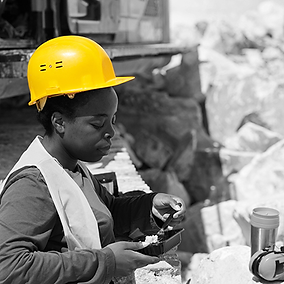
Tonya's story
Tonya is a female second-year apprentice. She’s laying out measurements for wall framing and marking stud locations from the prints. She double-checks her measurements and calls them out to her journeyperson. A co-worker nearby yells out, “Wow, you’re actually pretty good with measurements for a girl.” Other crew members laugh, and no one comes to her defense. At lunch, Tonya’s supervisor notices she has separated herself from the crew and is eating lunch alone.
Encourage discussion
Discuss Tonya’s story with the crew. What type of microaggression does this represent? What message does the microaggression send to Tonya? How should the journeyworker respond?
Answers to reinforce:
This is a microinsult—it puts down someone’s ability based on gender, even if the speaker “didn’t mean harm.” An example you can offer if the crew gets stuck: The Journeyworker can say, “She’s good with measurements.” Period.
Review steps everyone can take to interrupt microagressions:
-
It starts with you: Examine how your actions/words may impact others’ feelings. Be open to new ideas and be willing to ask questions that may help you understand other perspectives.
-
Recognize: We can’t prevent or interrupt what we don’t see or hear. Learn how to recognize all types of microaggressions listed above and ask yourself, “what is the intention of this question or comment?” Is it to build someone up or bring them down?
-
Don’t let it slide: Confrontation can be intimidating, but if you hear someone else making a harmful remark it’s important to let that person know in a respectful manner their comment was inappropriate. If you hear someone else speaking up, be sure to voice your support as well.
-
Educate: Help someone understand why their comment or action was hurtful can help them to do better in the future.
-
Put yourself in other’s shoes: Don’t make assumptions that people’s life experiences are the same as yours.
In closing the toolbox talk:
Remind everyone “You may be unaware when you say or do something that can cause harm. However, your intentions do not always determine the impact of your actions. So, let’s keep this jobsite free from microaggressions so everyone can perform at their best.”
Key points to remember:
-
Microaggressions can make people feel like outsiders and reinforce harmful stereotypes, even if unintended. It doesn’t take a speech to put someone down—just a moment.
-
Not all microaggressions are verbal. Sometimes, it’s a hostile environment or a person’s body language that give away thinly veiled biases.
-
Set clear expectations with your crews early and often: let crew members know upfront that jokes that put people down aren’t ok. State clearly that “we don’t talk to each other like that here.”